When you buy through our links, we earn a small commission — and that is what funds all the free education here. It never costs you more. Products are not intended to diagnose, treat, cure, or prevent any disease.
What it is
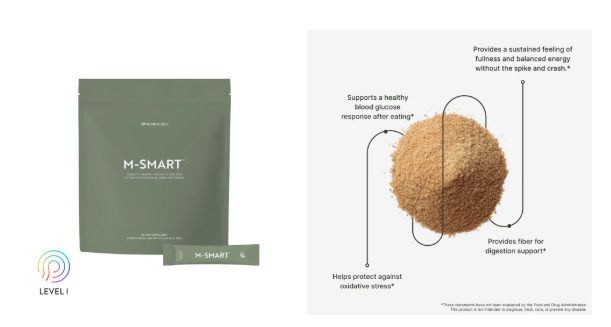
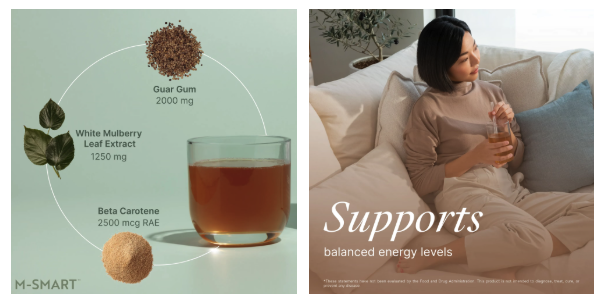
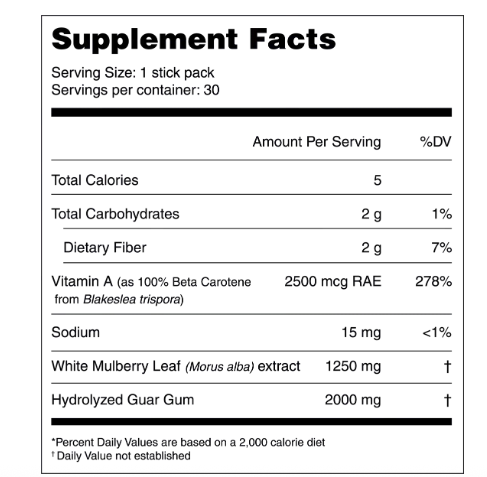
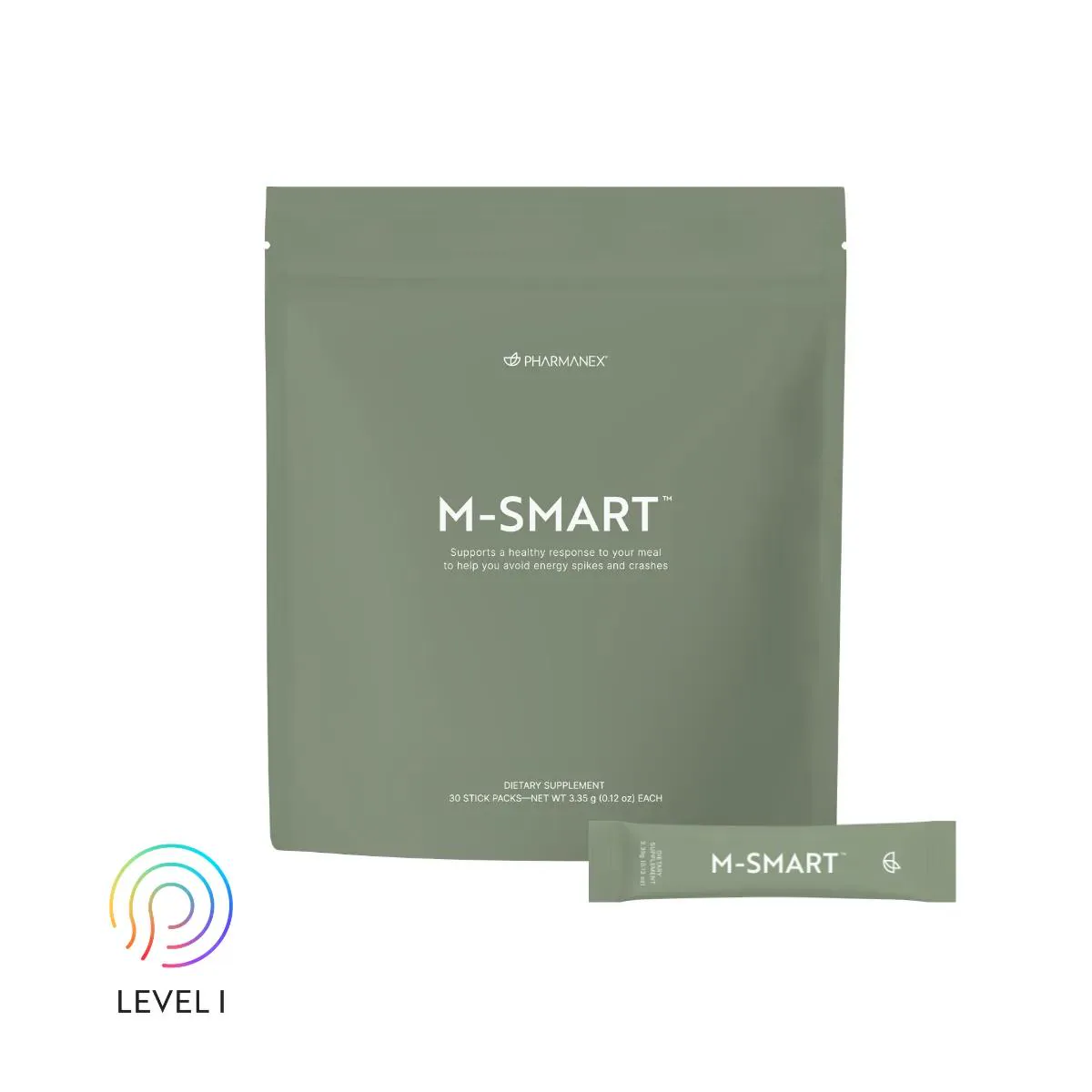
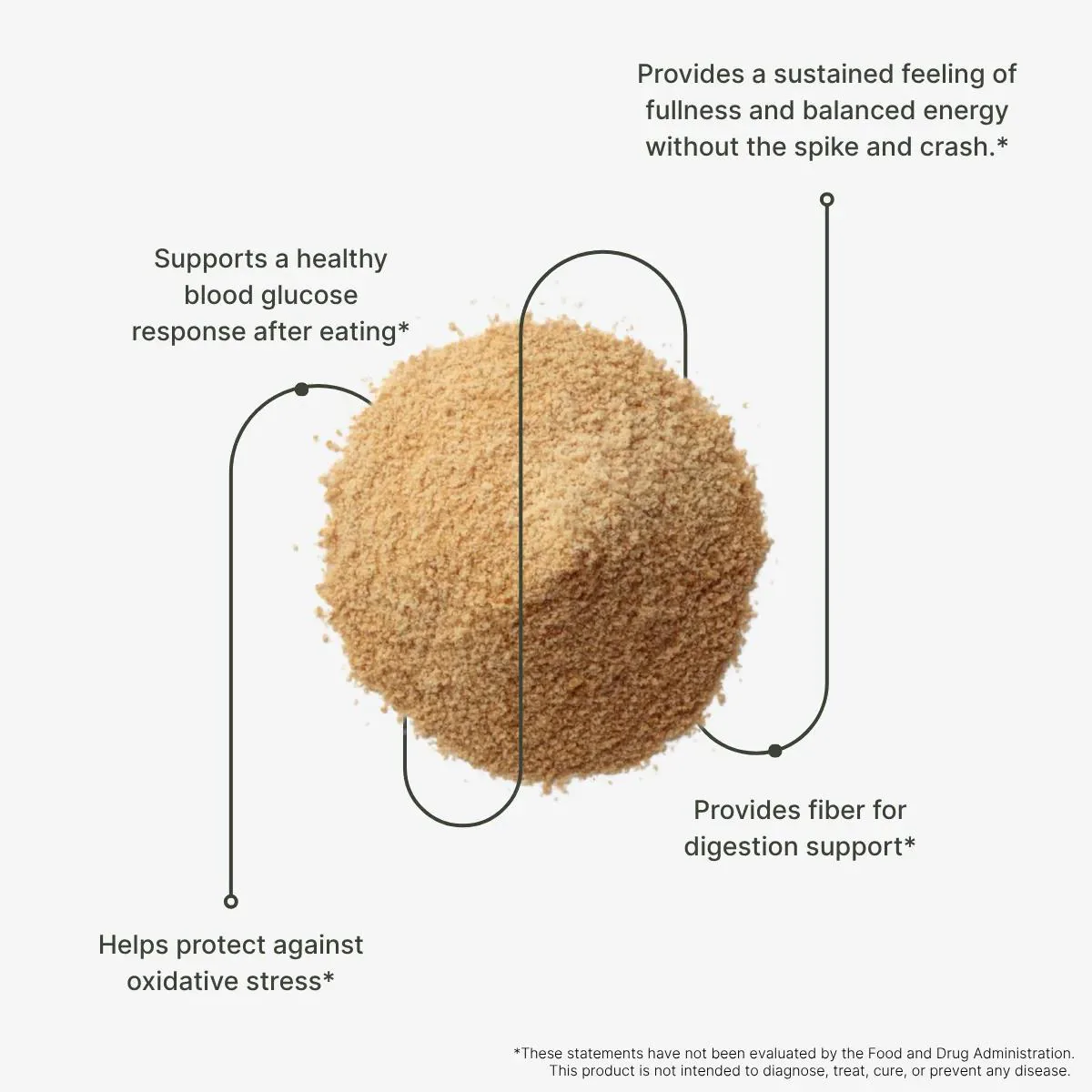
Pharmanex's metabolic-support formula, taken with meals. It is built around mulberry leaf extract standardized to 1-deoxynojirimycin (DNJ) — a natural alpha-glucosidase inhibitor that slows the breakdown of dietary carbohydrates — plus guar gum, a soluble viscous fiber that slows how quickly glucose is absorbed. Together they blunt the post-meal blood-sugar rise. Blood-sugar handling and gut health are closely linked, which is why it belongs in the gut-and-metabolism cluster.
Why the evidence supports it
The standout here is a real study on the finished product, not just its parts: in a randomized, double-blind, placebo-controlled crossover trial, the formula lowered the post-meal glucose rise by about 38% (the 0-to-120-minute glucose AUC) versus placebo after a test meal, with positive quality-of-life measures on continuous glucose monitoring and no adverse events. The mechanism is clean and well-understood — the mulberry DNJ blocks alpha-glucosidase so fewer carbohydrates are freed into glucose at once, while guar gum's viscous fiber slows absorption, and both are independently studied for blunting the post-meal glucose spike. That is stronger, product-specific evidence than most metabolic supplements can point to. Kept honest, it supports a healthy blood-sugar response already within a normal range and the cell's Transform function around meals — metabolic support, not a treatment for any blood-sugar condition.
What it supports
- Supports a healthy blood-sugar response to a meal, already within a normal range
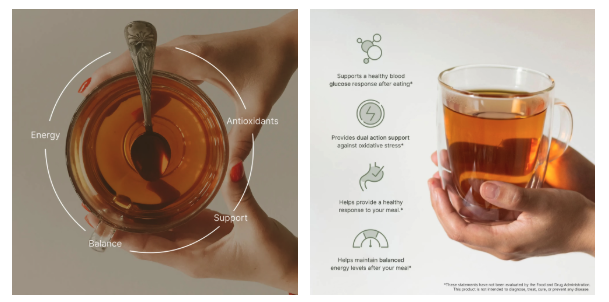
- Supports everyday metabolic balance
- Complements a gut-health and foundation-nutrition routine
- Best used as a targeted add-on once the daily foundation is in place
Which function it supports
Ties to the cell's Transform function — supporting how the body handles the glucose from a meal and everyday metabolic balance. Because blood-sugar handling and the gut are linked, it also supports the Gut Health picture.
Learn the why behind this pillarHow it relates to your cells and mind
Every product here ties back to a specific job your body does. This one touches the functions below — follow either link to see the mechanism in full, then dig into the studies.
What it is made of — and the mechanisms behind it
Each ingredient acts on several of the body's functions. Taken together, this product touches these cell and mind functions — follow any to see the mechanism in full.
The ingredients
Mechanisms drawn from our ingredient knowledge base (3 profiled ingredients). Structure and function only — not a treatment claim.
The science on the ingredients
Effect of mulberry leaf or mulberry leaf extract on glycemic traits: a systematic review and meta-analysisEstablishedMeta-analysis2023
Pooled across 12 randomized trials in 615 adults, mulberry leaf and mulberry leaf extract were associated with lower fasting glucose, glycated hemoglobin and fasting insulin. This is the strongest current synthesis for the botanical, and the authors report meaningful heterogeneity between trials.
Cui W et al. — Food & Function
Bioequivalence of mulberry fruit extract and 1-deoxynojirimycin for post-prandial blood glucose lowering: A randomized trial in humansEstablishedRandomized controlled trial2025
A randomized bioequivalence trial found the postprandial glucose-lowering effect of mulberry extract is largely attributable to its 1-deoxynojirimycin content, with other extract components contributing modestly. This is the key citation for why standardizing to DNJ is the meaningful specification.
Hoogenraad AR et al. — The Journal of Nutrition
Effects of the timing of acute mulberry leaf extract intake on postprandial glucose metabolism in healthy adults: a randomised, placebo-controlled, double-blind studyEmergingRandomized controlled trial2023
Timing of intake changes how well the extract works: taken in the evening, acute mulberry leaf extract improved the post-meal glucose response in healthy adults, a larger effect than the same dose earlier in the day. Practical potentiation finding -- it points to dosing the ingredient close to the meal that matters most.
Takahashi M et al. — European Journal of Clinical Nutrition
Effects of Mulberry Leaf and Corn Silk Extracts Against Alpha-Amylase and Alpha-Glucosidase In Vitro and on Postprandial Glucose in Prediabetic Individuals: A Randomized Crossover TrialEstablishedRandomized controlled trial2025
Mulberry leaf extract inhibited alpha-amylase and alpha-glucosidase in vitro and lowered the post-meal glucose rise in a randomized crossover trial, linking the enzyme mechanism directly to the human postprandial result in the same paper.
Sun Y et al. — Nutrients
Circulating Lycopene and β-Carotene Levels Are Inversely Associated with Carotid Intima-Media Thickness: A Systematic Review and Meta-AnalysisEmergingSystematic review2026
Across eight observational studies, higher circulating lycopene was associated with lower carotid artery wall thickness, a marker of subclinical atherosclerosis; beta-carotene showed only a marginal association and the link was stronger in men.
Cavero-Redondo I, Saz-Lara A, Saz-Lara AD, Martínez-Cifuentes Ó, Otero-Luis I, González-Collado A, Rey-López JP. — Nutrients
Scientific opinion on the tolerable upper intake level for preformed vitamin A and beta-caroteneClinical trial2024
Updated tolerable upper intake levels for preformed vitamin A and beta-carotene.
EFSA Scientific Opinion, 2024 — PMC11154838
Decoding Hypercarotenemia: Integrating Pathophysiology, Clinical Recognition, and Precision ManagementEmergingExpert review2025
This review explains hypercarotenemia -- harmlessly elevated blood carotenoids causing yellow-orange skin with clear whites of the eyes -- distinguishing it from jaundice and framing it as a benign biomarker of carotenoid intake and beta-carotene-conversion genetics.
Wang Z, Xu J, Xu G, Sha Y, Wang K, Chen G. — Cureus
Phytosterol foods and liposoluble vitamins and carotenoidsEmergingExpert review2017
Plasma vitamins A D and K generally not materially changed -- Alpha-tocopherol and beta-carotene commonly decreased
Fardet A et al. — Critical Reviews in Food Science and Nutrition
Results of the BfR MEAL Study: Highest levels of retinol found in animal livers and of beta-carotene in yellow-orange and green leafy vegetablesEstablished2022
In a German total diet study measuring retinol across 333 foods, animal livers and liver-based products carried the highest preformed vitamin A levels of any food group after cod liver.
Schendel S; Berg T; Scherfling M; Drosser C; Ptok S; Weissenborn A; Lindtner O; Sarvan I — Food Chemistry: X
Genetically Raised Circulating Levels of Dietary Antioxidants and the Association With Respiratory Health in High-Risk PopulationsEmergingCross-sectional survey2026
Using genetic (Mendelian randomization) methods, this study found no consistent causal link between higher circulating dietary antioxidants, including beta-carotene, and better lung function, even in people exposed to smoke or air pollution.
Saied A, Horsfall LJ. — Canadian respiratory journal
Unveiling the Role of Sweet Potato Root in Skin Health: A New Approach to Collagen Synthesis and Rejuvenation.2025
Review proposes that bioactive compounds in sweet potato root, including beta-carotene and resveratrol, may support collagen synthesis and counter age-related wrinkles and loss of skin firmness when used orally or topically.
Bibi A; Maqsood S; Arshad MT; Ikram A; Gnedeka KT — Food science & nutrition
Carotenoid profile in maternal and cord plasma and its trends in breast milk during lactation: a comparative study among three cities in northern ChinaEmergingCross-sectional survey2025
In northern-Chinese mothers, carotenoids transferred into breast milk shifted over lactation -- beta-carotene predominated in colostrum and lutein in mature milk -- and milk levels partly tracked mothers' dietary carotenoid intake.
Tian L, Wang L, Li F, Sun A, Ni M, Sun H, Wang H, Li X, Zhao Y, Zhang L, Li X, Kuchan M, Mao Y, Chen J. — Food & function
Exploring the Epigenetic and Metabolic Pathways for Antioxidant and Anti-Inflammatory Potentials of Tart Cherry Juice Concentrate.2025
Tart cherry's mix of anthocyanins, polyphenols, and beta-carotene appears to reduce oxidative stress and inflammation through epigenetic and metabolic pathway changes, per a review of its bioactive components.
Xu J; Pan Y; Peter RM; Chou PJ; Dave PD; Shanner A; Sarwar MS; Brunetti L; Simon JE; Kong AT — Current pharmacology reports
Association between dietary carotenoid intake and vertebral fracture in people aged 50 years and older: a study based on the National Health and Nutrition Examination SurveyEmergingCross-sectional survey2025
In adults over 50, higher dietary lutein and zeaxanthin intake was associated with lower odds of vertebral fracture, and beta-carotene with lower fracture odds in women, suggesting carotenoid-rich diets may support bone -- an association, not proof of cause.
Zheng Y, Zhou W, Zhang J, Lan T, Zhang R. — Archives of osteoporosis
Comparative bioavailability of vitamins in human foods sourced from animals and plants.2024
A review comparing vitamin bioavailability found animal-sourced foods are the main source of highly bioavailable vitamin B-12 (65%) and retinol (74%), along with notably bioavailable biotin, folate, niacin, and thiamin.
Chungchunlam SMS; Moughan PJ — Critical reviews in food science and nutrition
Nutritional Benefits of Lycopene and Beta-Carotene: A Comprehensive Overview.2024
Lycopene and beta-carotene are vitamin A precursor carotenoids that provide antioxidant defense against cellular peroxides, with research linking their intake to lower cardiovascular disease and cancer risk and improved eye health.
Tufail T; Bader Ul Ain H; Noreen S; Ikram A; Arshad MT; Abdullahi MA — Food science & nutrition
Lycopene: A Critical Review of Digestion, Absorption, Metabolism, and Excretion.2021
A review of lycopene digestion and metabolism notes it is unclear whether health associations, including with certain cancers and cardiovascular disease, stem from lycopene itself or its breakdown products.
Arballo J; Amengual J; Erdman JW — Antioxidants (Basel, Switzerland)
Factors influencing micronutrient bioavailability in biofortified crops.2017
Micronutrient bioavailability in biofortified crops depends on food matrix, processing, and dietary fat, with conversion efficiency for provitamin A carotenoids and iron and zinc absorption varying by crop type.
Bechoff A; Dhuique-Mayer C — Annals of the New York Academy of Sciences
Nanoencapsulated <i>Dunaliella tertiolecta</i> Extract and β-Carotene in Liposomal Carriers: Antioxidant and Erythroprotective Potential Through Sustained-Release SystemsEmergingCell-culture study2025
In laboratory tests, nanoliposome-encapsulated beta-carotene and a carotenoid-rich microalgae extract protected red blood cells from oxidative damage through sustained antioxidant release, with the whole extract outperforming isolated beta-carotene.
García-Morales J, González-Vega RI, Fimbres-Olivarría D, Bernal-Mercado AT, Auobourg-Martínez SP, López-Gastélum KA, Burruel-Ibarra SE, Silvas-García MI, Grijalva-Molina A, Ornelas-Paz JJ, Del-Toro-Sánchez CL. — Molecules (Basel, Switzerland)
Skin Aging and Carotenoids: A Systematic Review of Their Multifaceted Protective MechanismsEmergingSystematic review2025
This systematic review describes how carotenoids protect aging skin through antioxidant action, support of hydration and elasticity via aquaporin and hyaluronic-acid pathways, and modulation of mitochondrial function, highlighting their potential in preventive dermatology.
Stanescu C, Chiscop I, Mihalache D, Popa F, Tamas C, Stoleriu G. — Nutrients
Effectiveness of dietary supplements for skin photoaging in healthy adults: a systematic review and meta-analysis of randomized controlled trialsMeta-analysis2025
Pooling randomized trials, this meta-analysis found dietary supplements including carotenoids and collagen peptides associated with small but measurable improvements in skin photoaging markers.
Study authors per publication — Frontiers in Medicine
Macular pigment carotenoids on cognitive functionsEmergingSystematic review2022
Most RCTs reported improvement in at least some cognitive domains -- No single pooled effect and brain-activity findings inconsistent
García-Romera MC et al. — Source not captured in pack
Skin Aging and Carotenoids: A Systematic Review of Their Multifaceted Protective MechanismsSystematic review2025
This systematic review concludes carotenoids support skin structure and antioxidant defense through several overlapping mechanisms, while cautioning that clinical effect sizes vary by study and carotenoid type.
Study authors per publication — Nutrients
Plant sterols and fat-soluble vitamins and carotenoidsEmergingMeta-analysis2017
Retinol and vitamin D were not materially affected -- Several carotenoids decreased even after cholesterol standardization
Baumgartner S et al. — European Journal of Nutrition
Balanced by design — we show supporting and contradicting findings. Search all studies
No product works in isolation
Every cell function above — Sense, Exchange, Transform, Build, Maintain, Adapt — needs the same broad base of optimal micronutrient levels running underneath it, all the time. M-Smart is not a stand-alone fix; it is one piece that plugs into that larger system. The foundation comes first, and this supports it.
Stacks well with
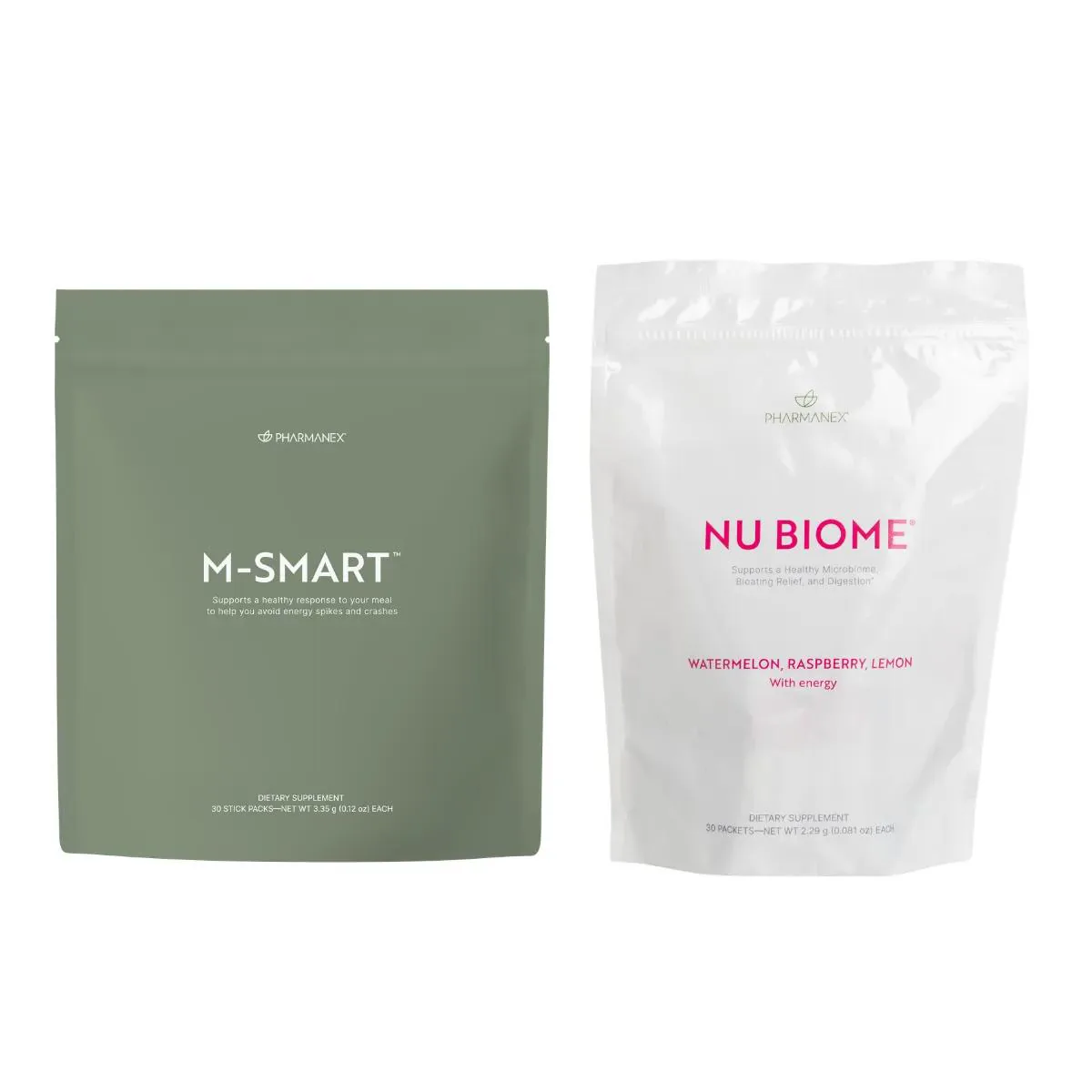
Pick your goal — here is what M-Smart pairs with for each. Nothing works in isolation; these share the same systems.
For Epigenetics
For Gut Health
Foundational, or targeted?
Not everything in the shop is meant to be taken forever. Some products here are foundational — a daily nutrient base built for long-term, ongoing use. Others are targeted -- shorter-term support for a specific season, not a lifelong habit. If you are not sure which one this is, that is a fair question to ask us before you buy.
Learn more, on your terms
Do not take our word for it — go read. Each topic below opens a pre-loaded search so you can explore the nutrient, the mechanism, or the device for yourself.
Search the full studies libraryHow to use it
Take with carbohydrate-containing meals, per the label — most useful around your larger meals of the day.
Where to get it
Ready when you are. This link takes you to the official, verified source for this product.
Get M-SmartThe studies
See the research behind the science we point to.
Explore studiesThe blog
Plain-language reads on how it all fits together.
Read the blogOptimal nutrients are the definition of longevity
Long-term cell function depends on having what it needs, at the level it needs it, for as long as it needs it. That is the whole thesis behind everything we point you to here.
When you buy through our links, we earn a small commission — and that is what funds all the free education here. It never costs you more. Products are not intended to diagnose, treat, cure, or prevent any disease.