When you buy through our links, we earn a small commission — and that is what funds all the free education here. It never costs you more. Products are not intended to diagnose, treat, cure, or prevent any disease.
What it is
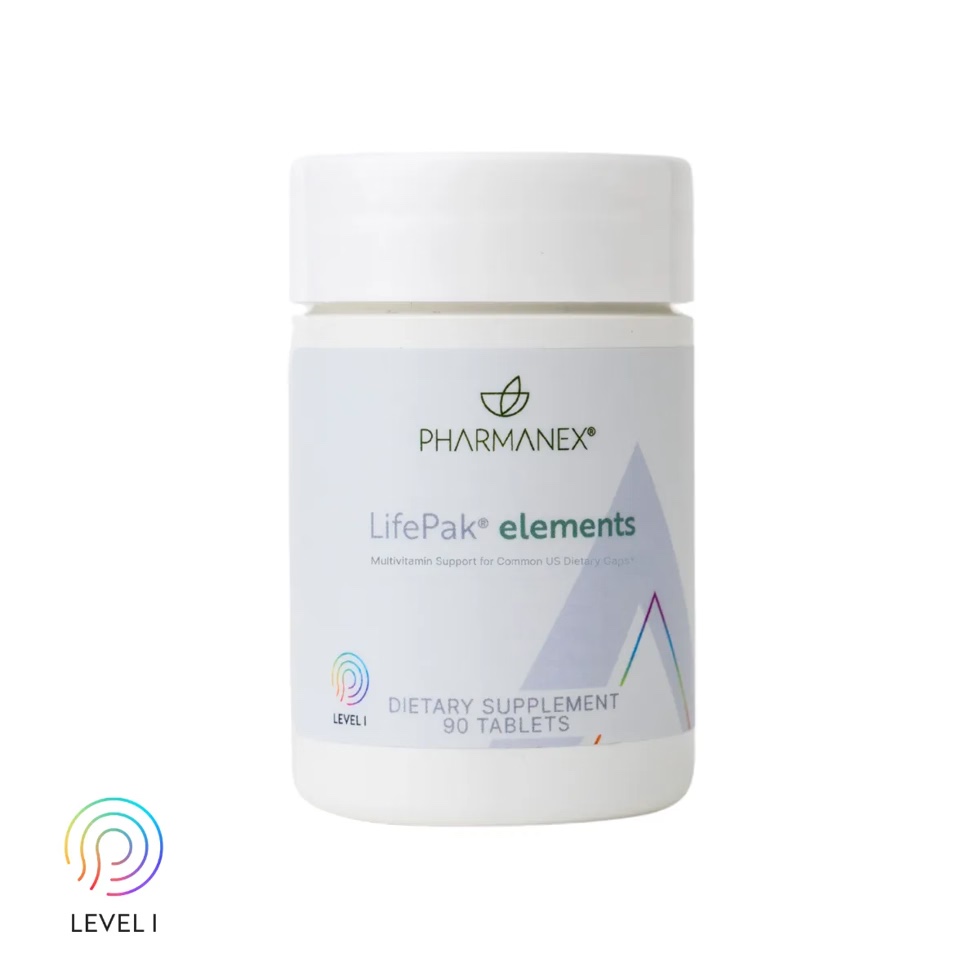
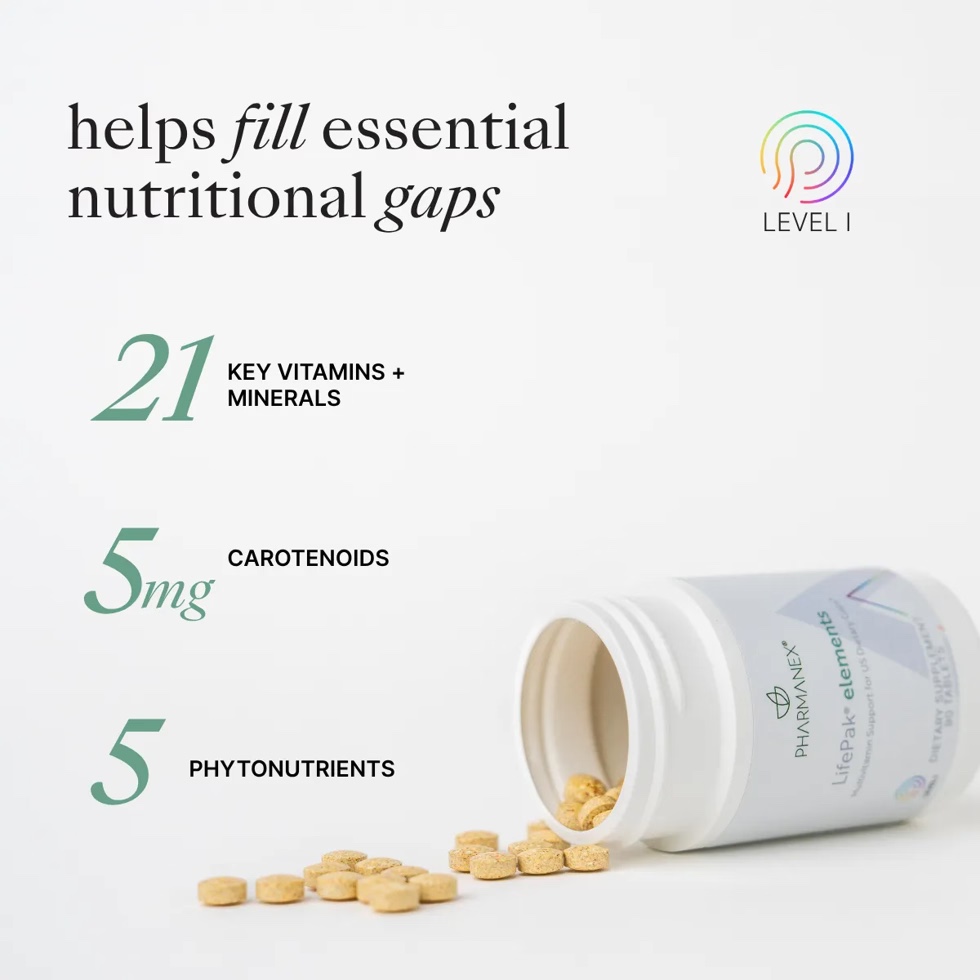
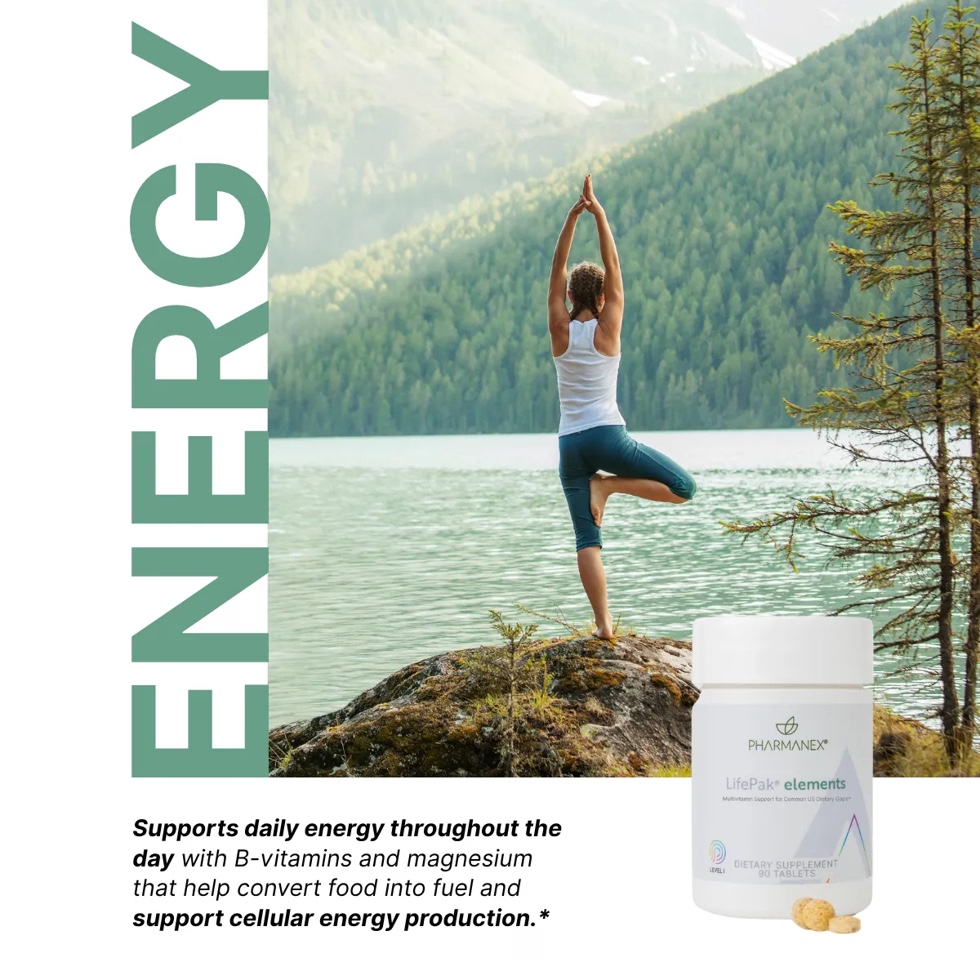
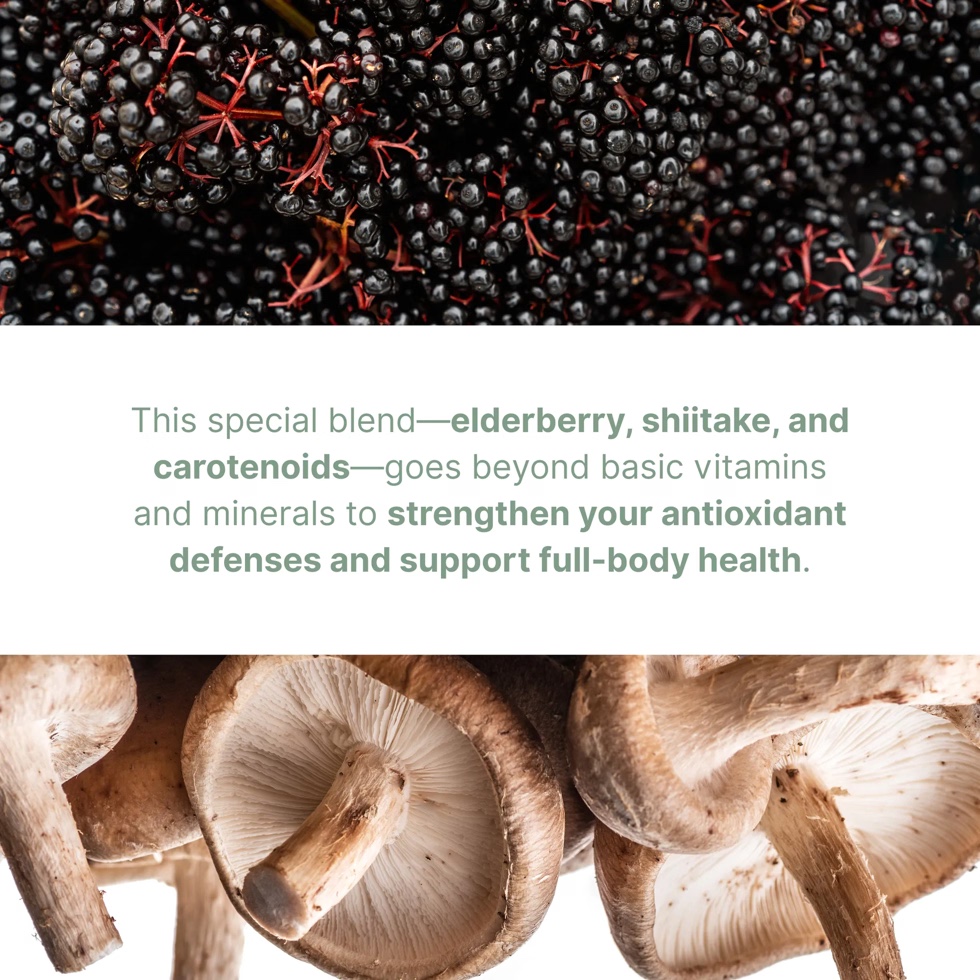
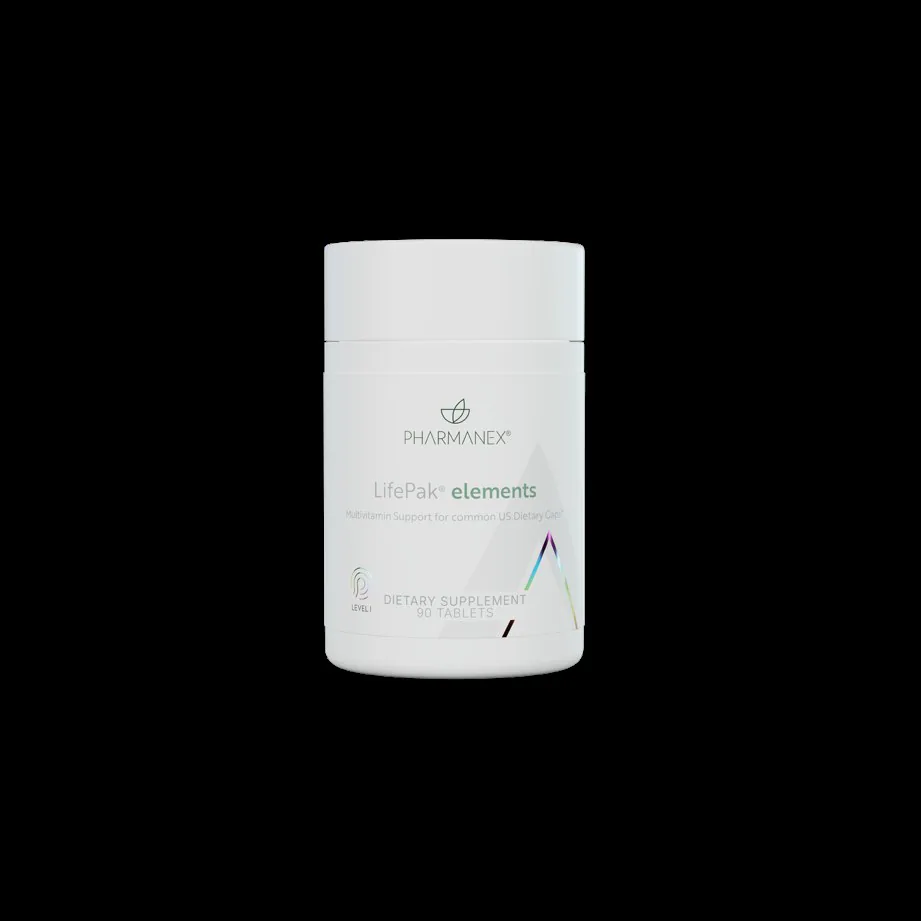
The accessible foundation tier of the LifePak family — a 25-nutrient multivitamin, mineral, and phytonutrient tablet chosen specifically for shortfalls common in modern diets. It includes 100% or more of the Daily Value for 19 essential nutrients, a solidly dosed vitamin D3 (1,000 IU), a full B-complex, zinc, selenium, and chromium, plus a PhytoVantage blend of elderberry, shiitake, and carotenoids (lutein, lycopene, beta-carotene). Taken as three tablets once daily, it carries no omega-3, so Nu Skin pairs it with a separate Optimum Omega.
Why the evidence supports it
The value here is coverage, not a hero ingredient. Broad-spectrum nutrition research — including large modelling of dietary micronutrient inadequacy — consistently finds most people run low across several everyday vitamins and minerals at once, and that correcting a spread of small shortfalls does more for baseline cellular function than mega-dosing any one nutrient. This is built exactly that way, and it is scanner-certified for carotenoid absorption. The honest caveats: the lutein sits below the amount used in dedicated eye research, so it is a gap-filler rather than a targeted eye formula, and it needs a separate omega-3. As a clinically sensible foundation it is an evidence-based way to support the cell's Build function at an approachable price.
What it supports
- Provides a broad base of everyday vitamins and minerals
- Supports the body's normal antioxidant defenses
- Helps fill common gaps in a modern diet at an accessible price point
- Supports healthy immune-nutrient status with zinc, selenium, and elderberry
Which function it supports
Ties to the cell's Build function — supplying the everyday vitamins and minerals cells use to construct and maintain their own structures.
Learn the why behind this pillarHow it relates to your cells and mind
Every product here ties back to a specific job your body does. This one touches the functions below — follow either link to see the mechanism in full, then dig into the studies.
What it is made of — and the mechanisms behind it
Each ingredient acts on several of the body's functions. Taken together, this product touches these cell and mind functions — follow any to see the mechanism in full.
The ingredients
Mechanisms drawn from our ingredient knowledge base (12 profiled ingredients). Structure and function only — not a treatment claim.
The science on the ingredients
Circulating Lycopene and β-Carotene Levels Are Inversely Associated with Carotid Intima-Media Thickness: A Systematic Review and Meta-AnalysisEmergingSystematic review2026
Across eight observational studies, higher circulating lycopene was associated with lower carotid artery wall thickness, a marker of subclinical atherosclerosis; beta-carotene showed only a marginal association and the link was stronger in men.
Cavero-Redondo I, Saz-Lara A, Saz-Lara AD, Martínez-Cifuentes Ó, Otero-Luis I, González-Collado A, Rey-López JP. — Nutrients
Effectiveness of dietary supplements for skin photoaging in healthy adults: a systematic review and meta-analysis of randomized controlled trialsMeta-analysis2025
Pooling randomized trials, this meta-analysis found dietary supplements including carotenoids and collagen peptides associated with small but measurable improvements in skin photoaging markers.
Study authors per publication — Frontiers in Medicine
Skin Aging and Carotenoids: A Systematic Review of Their Multifaceted Protective MechanismsEmergingSystematic review2025
This systematic review describes how carotenoids protect aging skin through antioxidant action, support of hydration and elasticity via aquaporin and hyaluronic-acid pathways, and modulation of mitochondrial function, highlighting their potential in preventive dermatology.
Stanescu C, Chiscop I, Mihalache D, Popa F, Tamas C, Stoleriu G. — Nutrients
Skin Aging and Carotenoids: A Systematic Review of Their Multifaceted Protective MechanismsSystematic review2025
This systematic review concludes carotenoids support skin structure and antioxidant defense through several overlapping mechanisms, while cautioning that clinical effect sizes vary by study and carotenoid type.
Study authors per publication — Nutrients
Decoding Hypercarotenemia: Integrating Pathophysiology, Clinical Recognition, and Precision ManagementEmergingExpert review2025
This review explains hypercarotenemia -- harmlessly elevated blood carotenoids causing yellow-orange skin with clear whites of the eyes -- distinguishing it from jaundice and framing it as a benign biomarker of carotenoid intake and beta-carotene-conversion genetics.
Wang Z, Xu J, Xu G, Sha Y, Wang K, Chen G. — Cureus
Role of antioxidants in skin aging and the molecular mechanism of ROS: A comprehensive reviewExpert review2025
This review connects the skin's natural antioxidant network, including carotenoids, to its capacity for neutralizing reactive oxygen species generated by UV and environmental exposure.
Study authors per publication — Dermatology/biochemistry journal
Antioxidants to Defend Healthy and Youthful Skin: Current Trends and Future Directions in CosmetologyExpert review2025
This review surveys current antioxidant strategies, including dietary carotenoids, studied for supporting skin structure and countering environmental oxidative stress.
Study authors per publication — Applied Sciences
Reflection Spectroscopy Skin Carotenoids Correlate with Serum Carotenoids in School-Aged ChildrenEmergingCross-sectional survey2026
In school-aged children, noninvasive skin carotenoid readings correlated significantly with blood serum carotenoids, supporting reflection spectroscopy as a valid, needle-free way to assess carotenoid status in pediatric populations.
Liu R, Rosok LM, Black M, Erdman JW, Khan NA. — The Journal of nutrition
Phytochemicals and REDOX Modulation: Molecular Mechanisms, Clinical Relevance, and Therapeutic Perspectives.2026
A review found that phytochemicals such as polyphenols, flavonoids, and carotenoids act as redox modulators affecting cellular signaling and inflammation, mechanisms studied for relevance to chronic diseases including cardiovascular and neurodegenerative conditions.
Singh DD; Yadav DK; Shin D — Antioxidants (Basel, Switzerland)
Validation of Noninvasive Cutaneous Carotenoid Measurements as Nutritional Biomarker Across Body Composition GroupsEmergingCross-sectional survey2026
A validation study found noninvasive skin carotenoid readings by reflection spectroscopy correlated strongly with total plasma carotenoids, supporting their use as a valid biomarker of fruit-and-vegetable carotenoid intake, provided body composition is accounted for.
Kiem F, Lackner S, Meier-Allard N, Schimpel C, Mörkl S, Unterweger T, Gruber J, Strobl H, Holasek S. — Food science & nutrition
A Survey of Diagnostic and Management Practices in Retinal Vasculitis: International Uveitis Study Group (IUSG) Retinal Vasculitis Study (ReViSe)-Report 5.2025
An international survey of uveitis specialists found persistent variability in diagnostic and management practices for retinal vasculitis, with most agreeing on a definition involving vascular abnormalities and intraocular inflammation.
Liu R; Cifuentes-González C; Gangaputra S; Putera I; Rojas-Carabali W; La Distia Nora R; de-la-Torre A; Gupta V; Rosenbaum JT; Agrawal R; ReViSe -- IUSG Study Group — Ocular immunology and inflammation
Genetically Raised Circulating Levels of Dietary Antioxidants and the Association With Respiratory Health in High-Risk PopulationsEmergingCross-sectional survey2026
Using genetic (Mendelian randomization) methods, this study found no consistent causal link between higher circulating dietary antioxidants, including beta-carotene, and better lung function, even in people exposed to smoke or air pollution.
Saied A, Horsfall LJ. — Canadian respiratory journal
Variants in CFAP410 cause a range of retinal and skeletal phenotypes.2025
A study of 49 patients with CFAP410 gene variants found a range of ciliopathy phenotypes including early-onset vision loss with a cone-rod dystrophy pattern, and a minority also showed skeletal abnormalities consistent with a specific spondylometaphyseal dysplasia.
Schmidt RE; Pohodich AE; Birch D; Jones K; Lam BL; Jung EH; Jain N; Georgiou M; Mahroo OA; Webster AR; Michaelides M; Bakall B; Iannaccone A; Vincent A; Parameswarappa DC; Heon E; Scholl HPN; Janeschitz-Kriegl L; Traboulsi EI; Zein W; Brooks BP; Cukras C; Hufnagel R; Aleman TS; Sylla MM; Tsang SH; Alabek M; Sahel J; Gorin MB; van Genderen MM; Stingl K; Reith M; Kohl S; Amaral RAS; Sallum JMF; Vincent AL; Hull S; Duncan JL; Hanson JVM; Tedeus M; Maggi J; Graf U; Koller S; Berger W; Gerth-Kahlert C; Marra M; Everett LA; Yang P; Pennesi ME — NPJ genomic medicine
Carotenoid profile in maternal and cord plasma and its trends in breast milk during lactation: a comparative study among three cities in northern ChinaEmergingCross-sectional survey2025
In northern-Chinese mothers, carotenoids transferred into breast milk shifted over lactation -- beta-carotene predominated in colostrum and lutein in mature milk -- and milk levels partly tracked mothers' dietary carotenoid intake.
Tian L, Wang L, Li F, Sun A, Ni M, Sun H, Wang H, Li X, Zhao Y, Zhang L, Li X, Kuchan M, Mao Y, Chen J. — Food & function
Identification and characterization of short-chain dehydrogenase/reductase 3 (DHRS3) deficiency, a retinoic acid embryopathy of humans.2025
Researchers identified homozygous DHRS3 gene variants, which normally limit excess retinoic acid synthesis by converting retinaldehyde to retinol, in patients with a consistent pattern of craniosynostosis, facial differences, congenital heart disease, and scoliosis.
Hashimoto AS; Yu J; Williams C; Gaudenz K; Varshosaz P; Zhao R; Pilli N; Liu T; Russell J; Tooze RS; Twigg SRF; Banka S; Sweeney E; McGowan SJ; Knight SJL; Taylor JC; Froukh TJ; Palafoll MIV; Martínez-Gil N; Costa-Roger M; Villarreal-Molina MT; Lieberman Hernandez E; Abou Jamra R; Gattermann F; Koch-Hogrebe M; Wieczorek D; Trainor PA; Moise AR; Wilkie AOM; Kane MA — Genetics in medicine open
Association between dietary carotenoid intake and vertebral fracture in people aged 50 years and older: a study based on the National Health and Nutrition Examination SurveyEmergingCross-sectional survey2025
In adults over 50, higher dietary lutein and zeaxanthin intake was associated with lower odds of vertebral fracture, and beta-carotene with lower fracture odds in women, suggesting carotenoid-rich diets may support bone -- an association, not proof of cause.
Zheng Y, Zhou W, Zhang J, Lan T, Zhang R. — Archives of osteoporosis
Age-Related Macular Degeneration: Cellular and Molecular Signaling Mechanisms.2025
This review synthesizes cellular and molecular mechanisms behind age-related macular degeneration, including oxidative stress, inflammation, and lipid dysregulation converging on the retinal pigment epithelium in both dry and wet AMD subtypes.
Jiang F; Ma J; Lei C; Zhang Y; Zhang M — International journal of molecular sciences
Maternal prenatal carotenoids and child lung function: exploration of modifying factorsEmergingCohort study2025
In a mother-child cohort, prenatal carotenoid levels showed no overall link to childhood lung function, but higher carotenoids were associated with better FEV1 specifically among children whose mothers smoked during pregnancy.
Zhang X, Hartman TJ, Adgent M, Moore P, Gebretsadik T, Nickelberry M, LeWinn KZ, Zhao Q, Carroll KN, Wright RJ. — Thorax
Spatial transcriptomics reveals regionally altered gene expression that drives retinal degeneration.2025
Spatial gene-mapping in mouse retinas exposed to light stress found a localized superior region driving inflammatory and angiogenic gene changes linked to age-related macular degeneration, pointing to new retinal repair targets.
Schumann U; Liu L; Aggio-Bruce R; Cioanca AV; Shariev A; Madigan MC; Valter K; Wen J; Natoli R — Communications biology
Do Liposomal Vitamin C Formulations Have Improved Bioavailability? A Scoping Review Identifying Future Research Directions.EmergingClinical trial2025
An expert review on Vitamin C found that ten studies were identified, which administered different liposomal formulations, vitamin C doses (0.15-10 g) and sample collection durations (4-24 h).
Carr AC — Basic & clinical pharmacology & toxicology
Vitamins and the skin: Vitamin C in dermatology.2026
A review found that topical L-ascorbic acid acts as an antioxidant, collagen synthesis cofactor, and tyrosinase inhibitor, with clinical studies showing effectiveness in preventing photoaging, reducing wrinkles, and mitigating hyperpigmentation.
Badash A; Garibay A; Petronic-Rosic V — Clinics in dermatology
Ascorbate-driven quinone redox cycling as a pro-oxidant anticancer strategy.2026
Review describes how ascorbate enhances quinone redox cycling to generate reactive oxygen species, proposed as a strategy to selectively exploit compromised antioxidant defenses in cancer cells.
Glorieux C; Enriquez-Lara C; Valderrama JA; Benites J; Calderon PB — Redox biology
Vitamin C in fruits and vegetables: stability, processing effects, analytical detection, nutrient interactions, bioavailability, and health implications.2026
A review found that vitamin C in fruits and vegetables acts as an antioxidant cofactor supporting immune regulation, collagen synthesis, and iron absorption, though its content is highly sensitive to processing and storage conditions.
Verma K; Nema PK; Badgujar PC; Venkatesh K; Rajendran A; Loushigam GL — Food chemistry
Glutathione in Skin Aging and Tissue Regeneration: A Systematic Review of Molecular Mechanisms, Redox Modulation, and Biomedical Implications.2026
A systematic review of 194 studies found topical and oral glutathione improved skin pigmentation, brightness, hydration, and oxidative stress markers, while injectable glutathione raised systemic levels quickly but with more safety concerns.
Stanescu C; Chiscop I; Boev M; Stanescu GD; Matei MN — Molecules (Basel, Switzerland)
Balanced by design — we show supporting and contradicting findings. Search all studies
No product works in isolation
Every cell function above — Sense, Exchange, Transform, Build, Maintain, Adapt — needs the same broad base of optimal micronutrient levels running underneath it, all the time. LifePak Elements is not a stand-alone fix; it is one piece that plugs into that larger system. The foundation comes first, and this supports it.
Stacks well with
Pick your goal — here is what LifePak Elements pairs with for each. Nothing works in isolation; these share the same systems.
For Foundation Nutrition
Foundational, or targeted?
Not everything in the shop is meant to be taken forever. Some products here are foundational — a daily nutrient base built for long-term, ongoing use. Others are targeted -- shorter-term support for a specific season, not a lifelong habit. If you are not sure which one this is, that is a fair question to ask us before you buy.
Learn more, on your terms
Do not take our word for it — go read. Each topic below opens a pre-loaded search so you can explore the nutrient, the mechanism, or the device for yourself.
Search the full studies libraryHow to use it
Take the labeled daily tablets with a meal, ideally one containing a little fat for the fat-soluble nutrients. Pair with a separate omega-3 product since this formula does not include one. Follow the current label.
Where to get it
Ready when you are. This link takes you to the official, verified source for this product.
Get LifePak ElementsThe studies
See the research behind the science we point to.
Explore studiesThe blog
Plain-language reads on how it all fits together.
Read the blogOptimal nutrients are the definition of longevity
Long-term cell function depends on having what it needs, at the level it needs it, for as long as it needs it. That is the whole thesis behind everything we point you to here.
When you buy through our links, we earn a small commission — and that is what funds all the free education here. It never costs you more. Products are not intended to diagnose, treat, cure, or prevent any disease.